Post-Weight Loss Surgery in Brisbane: 7 Essential Things to Know
Losing a significant amount of weight is a major personal achievement. After weight reduction, many people notice loose or excess skin that does not respond to diet or exercise alone. For those considering further reshaping, post-weight loss surgery, also known as body contouring surgery, may be an option to discuss with a qualified specialist.
This article outlines seven important considerations about post-weight loss surgery in Brisbane to support informed decision-making and preparation for consultation.
1. What Is Post-Weight Loss Surgery?
Post-weight loss surgery refers to procedures that remove excess skin and support body contouring after substantial weight reduction. These procedures are performed by qualified medical practitioners and may include:
Abdominoplasty, also called a tummy tuck
Arm lift, known as brachioplasty
Breast lift or reshaping
These surgeries are intended to address excess skin and body contour following weight change. They are not weight-loss procedures.
This information is general in nature and does not replace personalised medical advice.
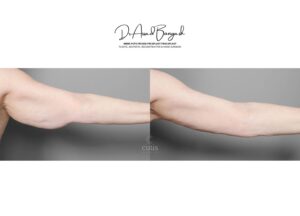
Brachioplasty arm lift by Dr Assad Bangash. 12 weeks between photos.
2. Who Might Consider Body Contouring After Weight Loss?
People who explore post-weight loss surgery often describe:
Persistent loose or hanging skin
Difficulty with hygiene or skin irritation
Concerns about clothing fit
Physical discomfort related to excess skin
Suitability for surgery requires clinical assessment by a qualified specialist plastic surgeon or appropriately trained surgeon. Assessment may include overall health, weight stability, and surgical risk factors.
3. Common Procedures After Major Weight Loss
Procedures frequently discussed in body contouring consultations include the following.
Abdominoplasty
Focuses on the abdominal region by removing excess skin and, in some cases, tightening underlying muscles.

Abdominoplasty & Liposuction by Dr Assad Bangash. 12 weeks between photos.
Body Lift
Addresses multiple regions such as the abdomen, hips, and buttocks in patients with more extensive skin laxity.
Arm and Thigh Lifts
Reduce excess skin of the upper arms or thighs where skin redundancy causes functional or comfort concerns.
Breast Surgery
May lift or reshape breast tissue following volume changes related to weight loss.
The most appropriate procedure, or combination of procedures, depends on individual anatomy and goals. This can only be determined during consultation with a qualified surgeon.
4. Timing and Readiness for Surgery
Specialists consider several factors before recommending surgery, including:
Stability of body weight
General medical health
Smoking status
Nutritional status
Weight stability over time is commonly considered when planning elective contouring procedures. A consultation allows individual readiness and timing to be assessed.
5. What Happens During Recovery?
Recovery varies depending on the procedures performed and individual health factors. Common elements of recovery planning may include:
A temporary reduction in physical activity
Use of compression or support garments
Scheduled follow-up appointments
Guidance on wound care and activity progression
Recovery timelines differ between individuals. Specific instructions are provided by the treating surgical team.
6. Possible Risks and Considerations
All surgery carries risk. Potential risks discussed during consent may include:
Delayed wound healing
Changes in skin sensation
Scarring
Fluid collection under the skin
Infection
A qualified surgeon will explain potential risks, benefits, and alternatives during consultation. This list is not exhaustive.
7. Setting Realistic Expectations
Body contouring surgery may reduce excess skin and change body shape. It does not replace the need for stable weight or ongoing healthy lifestyle habits.
Experiences and outcomes vary between individuals. Consultation helps align expectations with what is medically appropriate for each person.
Choosing a Qualified Practitioner in Brisbane
When considering post-weight loss surgery in Brisbane, it is important to seek care from an appropriately qualified practitioner. In Australia, many specialists are registered with the Australian Health Practitioner Regulation Agency and may belong to recognised professional surgical organisations.
Consultation provides an opportunity to:
Discuss personal goals
Understand available options
Review risks and recovery considerations
Ask individual questions
Dr Assad Bangash is a Specialist Plastic, Reconstructive, Aesthetic and Hand Surgeon with over 30 years of international surgical experience. Trained in the United Kingdom, he holds prestigious Fellowships from both the Royal College of Surgeons of Edinburgh and the Royal Australasian College of Surgeons.
His practice includes a broad range of procedures such as breast reduction, abdominoplasty, liposuction, facelifts, brow and eyelid surgery, as well as complex reconstructive operations. He also has extensive experience in hand surgery, managing conditions including trauma, arthritis, carpal tunnel syndrome and nerve-related concerns.
Dr Bangash’s approach is centred on patient-centred care, with a strong focus on informed consent, clinical governance and individualised treatment planning. His background in both reconstructive and aesthetic surgery informs a careful and methodical approach to assessment and operative technique.
Important Notice
This information is provided for educational purposes only and does not constitute medical advice, diagnosis, or treatment recommendation. All surgical procedures involve risk, and individual outcomes vary. A consultation with a qualified health professional is required to determine suitability.